March 5, 2026
A vehicle’s transmission plays a central role in how smoothly, safely, and efficiently a car operates. It transfers power from the engine to the wheels, allowing drivers to accelerate, maintain speed, and handle varying road conditions with confidence. Because this system works constantly whenever a vehicle is in motion, routine inspections and upkeep are essential. Unfortunately, many drivers delay maintenance; according to FinanceBuzz, 64% of drivers are currently putting off some sort of vehicle maintenance. Staying proactive with transmission repair and regular servicing helps prevent breakdowns, extend vehicle lifespan, and protect long-term performance.
Understand How the Transmission System Works
The transmission regulates engine power and determines how torque is delivered to the wheels. By constantly adjusting gear ratios, it ensures the engine runs efficiently across different driving speeds and conditions. This balance supports smoother acceleration, reduces engine strain, and contributes to improved fuel efficiency. Because this system operates under high stress, even minor issues can quickly escalate without routine monitoring. Understanding how the transmission functions helps drivers appreciate why regular inspections and timely transmission repair are critical for overall vehicle reliability.
Modern vehicles use several types of transmissions, including manual, automatic, continuously variable (CVT), and dual-clutch systems. Each offers unique advantages, from driver control to seamless shifting and enhanced fuel economy. Regardless of type, all transmissions rely on complex internal components working together to manage power distribution. Regular maintenance ensures these systems continue operating efficiently, preventing excessive wear and unexpected performance problems.
Recognize Key Transmission Components
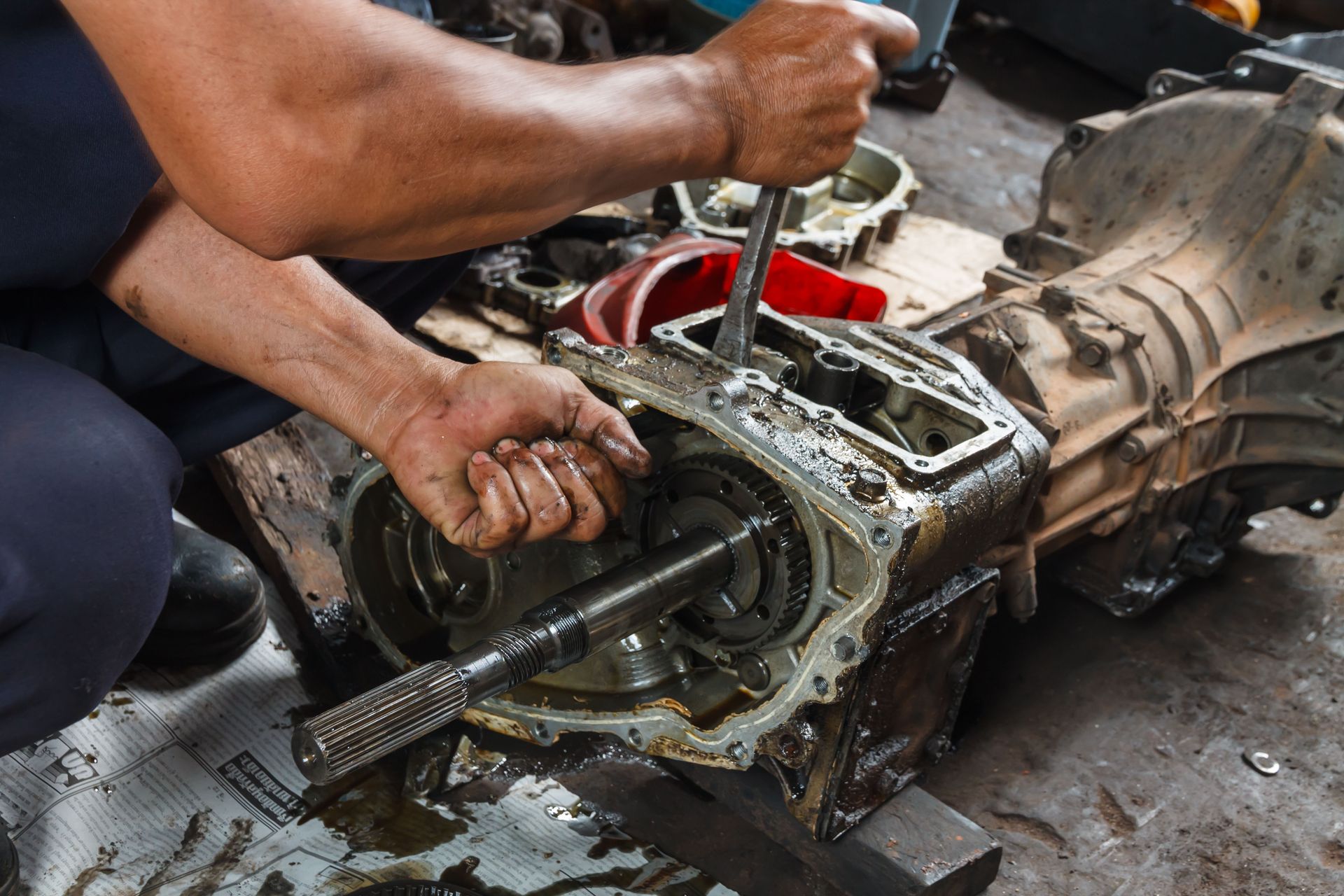
A transmission contains multiple intricate parts, including gear sets, clutches, torque converters, and control modules. Each plays a specific role in transferring and regulating power between the engine and wheels. These components operate under high heat and friction, making proper lubrication and maintenance essential. Over time, contaminants and wear can compromise internal parts if routine inspections are neglected.
Modern vehicles also incorporate electronic control systems that monitor transmission performance. Sensors continuously track temperature, pressure, and shifting patterns to optimize efficiency. When problems arise, these systems often provide early warning signs. Addressing these alerts promptly with professional transmission repair can prevent further damage and ensure the system remains compatible with advanced vehicle technology.
Identify Early Signs of Transmission Trouble
Detecting transmission issues early can significantly reduce repair costs and prevent roadside breakdowns. Common warning signs include unusual noises such as grinding, whining, or clunking during gear changes. Drivers may also notice delayed engagement, slipping gears, or difficulty shifting smoothly. Fluid leaks, often visible beneath the vehicle, can signal worn seals or damaged components.
Ignoring these warning indicators can lead to escalating damage within the transmission system. Prompt inspections allow technicians to diagnose the root cause before it spreads to additional parts. Addressing concerns early helps maintain reliable vehicle performance and reduces the likelihood of major repairs in the future.
Prevent Major Repairs Through Routine Inspections
Regular transmission inspections are one of the most effective ways to avoid costly mechanical failures. Technicians can identify minor issues such as fluid contamination, worn seals, or early component wear before they develop into serious problems. Preventive maintenance tasks like fluid checks and filter replacements help maintain proper lubrication and cooling, reducing strain on internal components.
Routine inspections also allow for timely adjustments and part replacements. By addressing concerns early, vehicle owners can avoid the significant expenses associated with full transmission overhauls. Proactive care not only supports long-term performance but also ensures consistent reliability throughout the vehicle’s lifespan.
Improve Performance and Driving Efficiency
A well-maintained transmission contributes directly to smoother operation and improved fuel efficiency. Properly functioning gear shifts allow the engine to operate within optimal performance ranges, reducing energy waste and enhancing acceleration. Consistent power delivery ensures the vehicle responds effectively in varying driving conditions.
Efficient transmissions also reduce strain on other mechanical systems, including the engine and drivetrain. This balanced operation minimizes overall wear and supports better long-term performance. Maintaining the transmission through routine servicing ensures drivers continue enjoying smooth, dependable vehicle operation.
Enhance Safety Through Proper Maintenance
Transmission maintenance plays a vital role in vehicle safety. Malfunctions such as unexpected shifting or gear slipping can create dangerous driving situations, especially at high speeds or in heavy traffic. Regular inspections help detect potential risks before they compromise vehicle control.
Keeping the transmission in optimal condition ensures consistent responsiveness and predictable performance. Reliable gear engagement allows drivers to accelerate, decelerate, and maneuver safely in various road conditions. Maintaining transmission health is therefore a critical aspect of ensuring safe and confident driving experiences.
Follow Recommended Maintenance Schedules
Every vehicle requires a tailored transmission maintenance schedule based on its design, usage, and driving conditions. In our experience, many passenger vehicles benefit from inspections every 30,000 to 60,000 miles, while heavy-duty or high-performance vehicles may require more frequent service. Adhering to manufacturer recommendations ensures each component receives appropriate attention.
Routine fluid checks are particularly important. Clean, properly filled transmission fluid prevents overheating and reduces friction between internal parts. Monitoring fluid condition regularly helps identify leaks or contamination before they cause extensive damage. Consistent maintenance scheduling supports long-term transmission efficiency and reliability.
Perform Essential Transmission Maintenance Practices
Several routine maintenance practices help keep transmissions operating smoothly. Fluid changes remove contaminants and restore proper lubrication. Filter inspections ensure debris does not circulate within the system. Identifying and sealing leaks prevents fluid loss that could lead to overheating and component wear.
Modern diagnostic tools also play an important role in maintenance. These systems allow technicians to detect hidden issues and evaluate performance accurately. Using advanced diagnostics ensures that even subtle problems are identified early, supporting effective
transmission repair and long-term reliability.
Understand the Risks of Neglecting Maintenance
Neglecting transmission maintenance can lead to severe mechanical failures and unexpected breakdowns. Minor issues can escalate quickly when left unaddressed, resulting in extensive damage that requires costly repairs or full replacement. Breakdown situations also pose safety risks and inconvenience for drivers.
Poorly maintained transmissions can significantly reduce vehicle performance and fuel efficiency. Over time, these issues may also lower resale value, as buyers often prioritize vehicles with documented maintenance histories. Consistent servicing helps protect both vehicle functionality and long-term financial investment.
Know When to Seek Professional Service
While some basic maintenance tasks can be performed independently, many transmission services require specialized expertise and equipment. Professional technicians have the training and diagnostic tools needed to accurately identify and resolve complex issues. Their experience ensures repairs are completed safely and effectively.
Certain problems, such as electronic system failures or internal component damage, should always be handled by professionals. Attempting advanced repairs without proper knowledge can lead to further damage and increased costs. Knowing when to seek expert assistance ensures the transmission receives the care necessary to maintain peak performance.
Maintaining a vehicle’s transmission is essential for ensuring long-term performance, safety, and reliability. Routine inspections, timely servicing, and proactive care help prevent costly breakdowns while supporting smooth and efficient operation. Staying attentive to warning signs and following recommended maintenance schedules protects both the vehicle and its overall value.
At Advantage Transmission, we understand how important dependable vehicle performance is to your daily life. Our experienced team offers comprehensive transmission and auto repair services, backed by more than 100 years of combined expertise. We provide same-day free quotes and professional service you can trust. Contact Advantage Transmission today to schedule an inspection and keep your vehicle running at its best.