May 26, 2026
When transmission problems appear, many drivers immediately fear the most expensive outcome. A slipping gear, delayed shift, grinding noise, or burning smell can make the vehicle feel unreliable. However, replacement is not always the only practical path forward. In many cases, a transmission rebuild offers a more targeted repair that restores performance without removing every part of the system from consideration.
Drivers often consider this option because it balances cost, reliability, and long-term value. Instead of installing a different unit, technicians disassemble the existing transmission, inspect the internal components, replace damaged parts, and reassemble the system. This approach allows the vehicle to keep a major original component while addressing the specific wear that caused the problem. For drivers who depend on their cars every day, that combination can make a transmission rebuild worth serious consideration.
Understanding the Repair Process
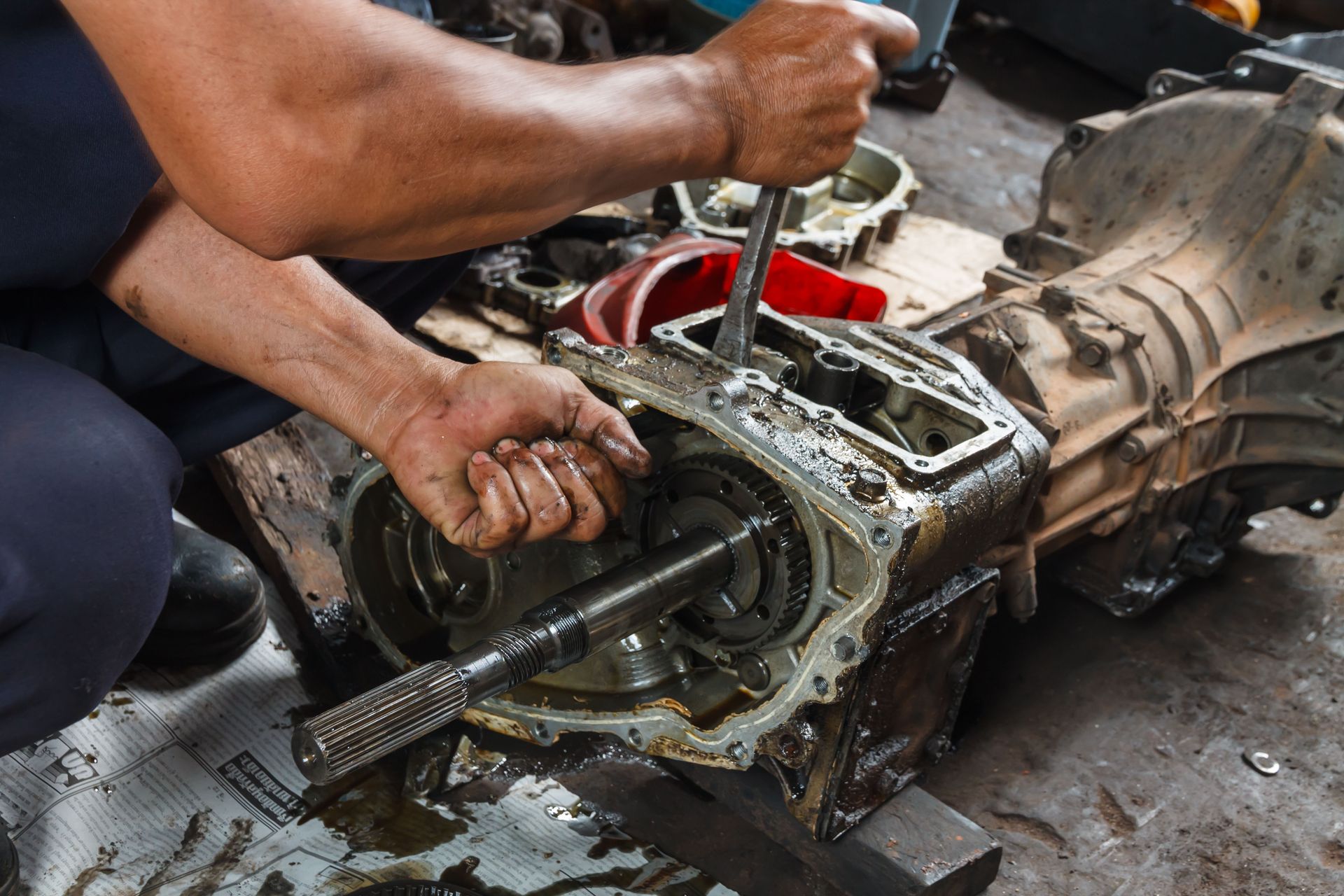
A transmission rebuild begins with a detailed inspection. Technicians remove the transmission from the vehicle, take it apart, and evaluate each internal component for damage, wear, and contamination. This step matters because issues can come from worn clutch packs, damaged seals, failing bearings, faulty bands, or contaminated fluid. Without a full inspection, it is difficult to know whether the problem is isolated or widespread.
Once the damaged parts are identified, the technician replaces the worn components and cleans the reusable parts. The transmission is then reassembled, adjusted, and tested before being placed back into the vehicle. This makes the process more involved than a basic repair, but less broad than installing a completely different transmission. A transmission rebuild focuses on renewing the existing unit rather than discarding it entirely.
For many drivers, understanding this process helps reduce uncertainty. Instead of hearing only that the transmission has failed, they can learn which parts failed, why they failed, and how the system can be restored.
Comparing the Cost Options
Cost is one of the main reasons drivers compare rebuilding with replacement. A full replacement may involve a new, remanufactured, or used transmission, and each choice comes with different pricing, availability, and risk. New or remanufactured units may cost more, while used units can come with unknown mileage, uncertain maintenance history, and limited assurance about future performance.
A transmission rebuild can be more appealing because it targets the failed parts inside the current unit. While the final cost depends on the vehicle, the damage, and the parts required, the process often avoids the expense of replacing components that are still in usable condition. This can help drivers make a practical decision when the rest of the vehicle remains dependable.
The value of service relationships also matters when people weigh repair decisions. According to Cox Automotive, car owners who have their vehicles serviced at the dealership are much more likely, at 74%, to purchase their next car from the same place. That statistic reflects how strongly maintenance experiences can shape future automotive choices. When drivers feel informed during a major repair, they may be more likely to keep investing in the vehicle they already own.
Preserving the Vehicle’s Compatibility
Another reason drivers consider a transmission rebuild is compatibility. The original transmission was designed to work with the vehicle’s engine, computer systems, mounting points, and drivetrain configuration. When the existing unit is rebuilt properly, it maintains that original fit while replacing the worn internal components that caused performance problems.
This can be especially important for vehicles with complex electronic controls. Modern transmissions communicate with sensors, modules, and onboard computers. Installing a replacement unit may require additional programming, adaptation, or troubleshooting to ensure everything works together correctly. While replacement can still be necessary in some situations, rebuilding the existing transmission may reduce compatibility concerns when the case, wiring, and core structure remain in good condition.
Drivers who have maintained their vehicles carefully may also prefer to keep as much of the original system as possible. If the vehicle has been reliable, comfortable, and well suited to their needs, a transmission rebuild can help extend its life without introducing unnecessary uncertainty. The goal is not simply to fix one issue, but to preserve the overall driving experience.
Extending the Vehicle’s Usable Life
A vehicle does not always need to be replaced just because it needs a major repair. If the engine is strong, the frame is sound, the interior is in good shape, and the vehicle still fits the driver’s lifestyle, repairing the transmission may be a reasonable investment. A transmission rebuild can help restore dependable operation and delay the need for a new car purchase.
This matters because buying another vehicle often brings additional expenses beyond the purchase price. Drivers may face higher insurance costs, registration fees, loan payments, taxes, and uncertainty about the condition of a different used vehicle. Even when a repair feels expensive upfront, it may still be less disruptive than replacing the entire car.
A rebuilt transmission can also support better performance when the work is completed correctly. Smoother shifting, improved engagement, reduced slipping, and more consistent power transfer can all make the vehicle feel more stable on the road. For drivers who rely on their vehicles for commuting, errands, family transportation, or business needs, that restored dependability can make a meaningful difference.
Avoiding the Risks of Used Parts
Some drivers consider a used transmission replacement because it appears to be the cheaper choice. However, a used unit can carry hidden risks. It may come from a vehicle with unknown maintenance habits, accident history, fluid neglect, overheating issues, or internal wear that is not obvious during installation. Even if the used transmission works at first, there may be no clear way to know how long it will continue performing well.
A transmission rebuild gives technicians a closer view of the internal condition of the current unit. Instead of swapping in another transmission with an uncertain past, the repair process identifies and replaces the components that are visibly worn or damaged. This can give drivers more confidence in what has actually been corrected.
The rebuild process can also reveal related problems that should be addressed before they cause repeat failure. For example, contaminated fluid, clogged coolers, worn seals, or heat-related damage may point to underlying issues that need attention. By addressing those concerns during a transmission rebuild, drivers can reduce the chance of paying for the same problem twice.
Choosing the Right Repair Path
A transmission rebuild is not the right answer for every vehicle. Severe case damage, unavailable parts, extensive overheating, or overall vehicle decline may make replacement or retirement more practical. That is why a professional inspection is so important. The decision should be based on the condition of the transmission, the value of the vehicle, the driver’s budget, and the expected future use of the car.
Drivers should ask clear questions before approving the repair. They can ask what failed, which parts will be replaced, whether the torque converter should be serviced, how the cooling system will be checked, and what testing will happen after the rebuild. These questions help turn a stressful repair into an informed decision.
For many drivers, the appeal of rebuilding comes from control. They are not simply accepting the most expensive recommendation or taking a chance on a used unit. They are choosing a repair that addresses the internal failure while preserving a vehicle they already know. When handled by experienced technicians, a transmission rebuild can offer a practical balance between performance, value, and long-term confidence. Call Advantage Transmission today to schedule your transmission service.