June 5, 2026
Understanding the significance of regular maintenance for your vehicle's transmission can save you from costly repairs and ensure your vehicle runs smoothly. In this article, we gather key insights from local experts in transmission repair to help you keep your vehicle in optimal condition. Maintaining a transmission involves more than just periodic checks; it requires an understanding of your vehicle and the specific needs it has. Despite modern advancements in automotive technologies, transmission failures are still a significant issue faced by vehicle owners. By adhering to professional advice, you can greatly extend the life of your vehicle's transmission and improve its overall performance.
Regular Maintenance and Inspection
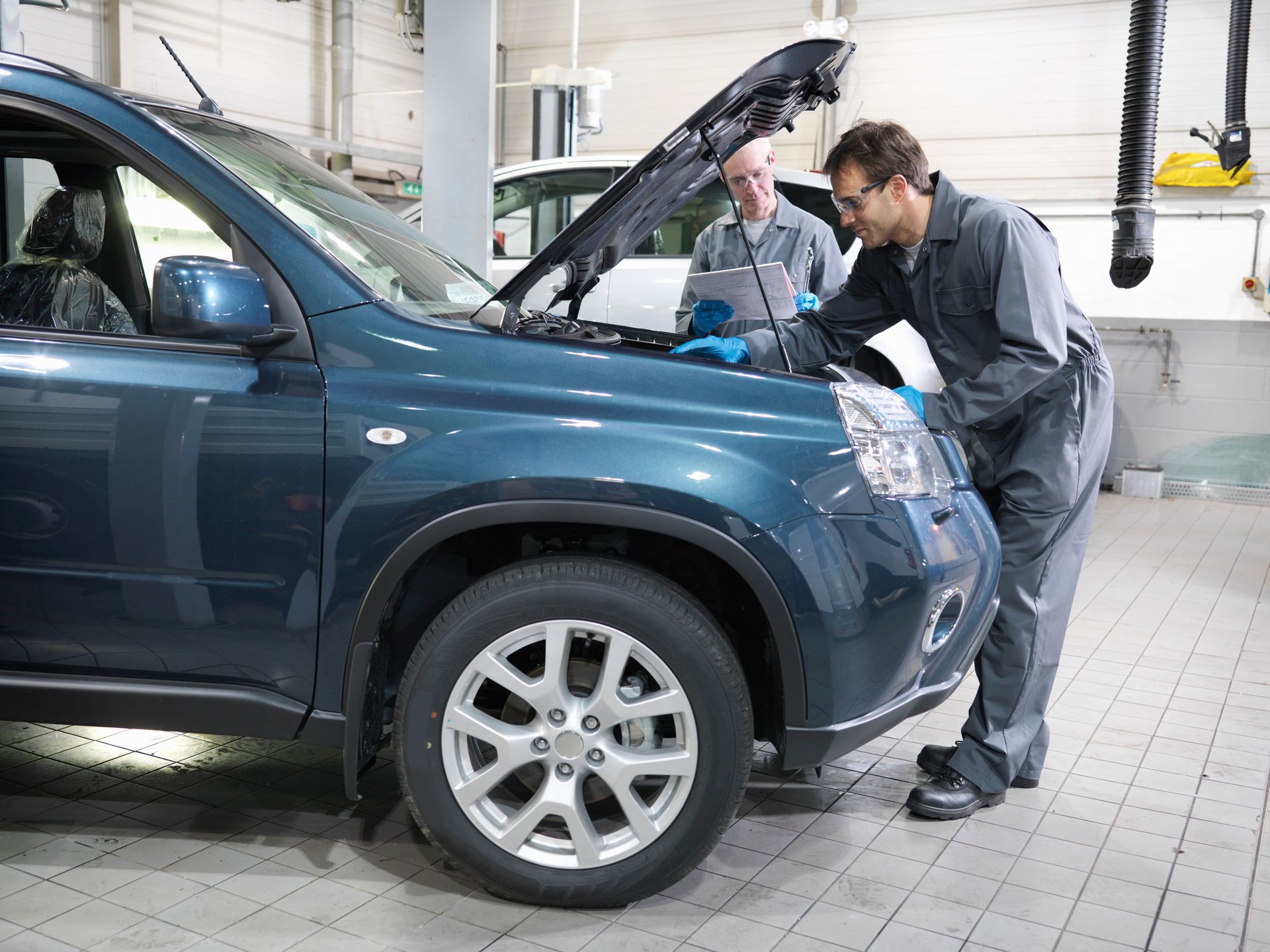
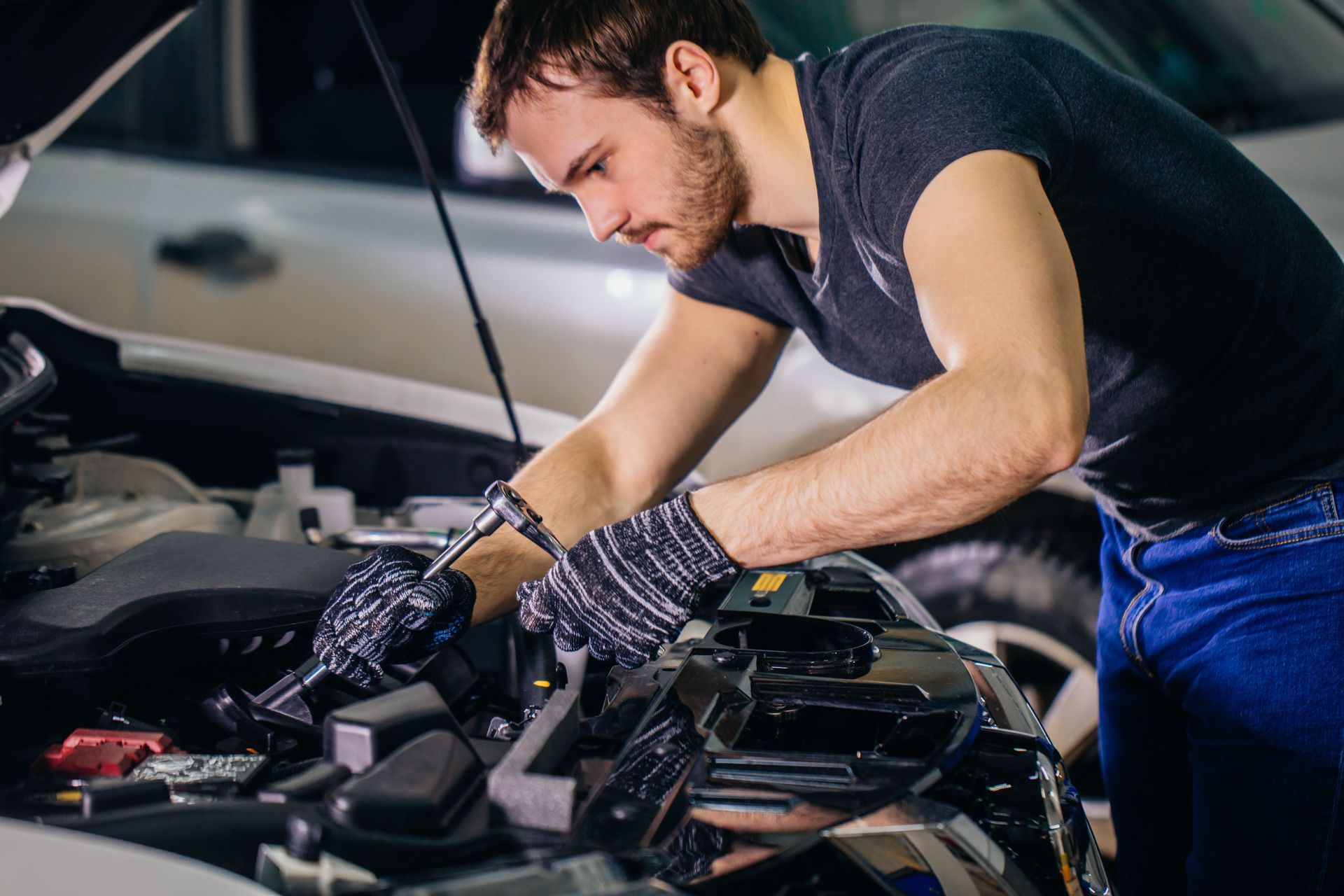
Keeping your vehicle's maintenance schedule up to date is crucial for ensuring the long-term health of your transmission. Each vehicle comes with a manufacturer's maintenance guide that outlines specific milestones for inspection and service. Familiarizing yourself with these recommendations allows you to proactively address any potential issues before they escalate. Regular maintenance activities typically include checking fluid levels, inspecting the cooling system, and ensuring that transmission components are in good condition. Staying on schedule with these tasks can prevent costly breakdowns and prolong the life of your transmission.
Recognizing the early signs that your transmission needs inspection can prevent more severe problems and costly repairs. According to AAA Club Alliance, most cars need a transmission fluid change after 30,000 to 60,000 miles of driving. Common indicators include unusual noises when shifting gears, delayed responses when accelerating, and transmission fluid leaks. Additionally, any warning lights on the dashboard, such as the check engine light, should prompt immediate inspection. Ignoring these early signs can lead to more significant transmission failures, which may require expensive overhauls or replacements. By paying attention to your vehicle's performance and addressing anomalies promptly, you can avoid more substantial issues down the road.
Selecting the right transmission specialist for your vehicle is critical to ensuring high-quality service and preventing future issues. It is advisable to conduct thorough research on potential repair professionals, including checking their certifications and reviews from other customers. Local mechanics often have extensive knowledge of specific vehicle models and types, allowing them to tailor their services to your vehicle's unique requirements. Establishing a long-term relationship with a trusted mechanic can provide peace of mind and guarantee that your vehicle is well-maintained over the years. Regular visits to the same specialist can also build a comprehensive maintenance history, guiding future repair decisions.
Fluid Checks and Replacements
Selecting the appropriate transmission fluid is a pivotal aspect of transmission maintenance that ensures optimal performance. Using the wrong type of fluid can lead to inadequate lubrication, increased friction, and ultimately, transmission damage. Vehicle manufacturers specify the recommended transmission fluid type for each model, and this information is typically found in the owner’s manual. Adhering to these specifications guarantees that the fluid performs as expected under various conditions, safeguarding your transmission's integrity. Consistently using the right fluid not only extends the life of your transmission but also enhances its efficiency.
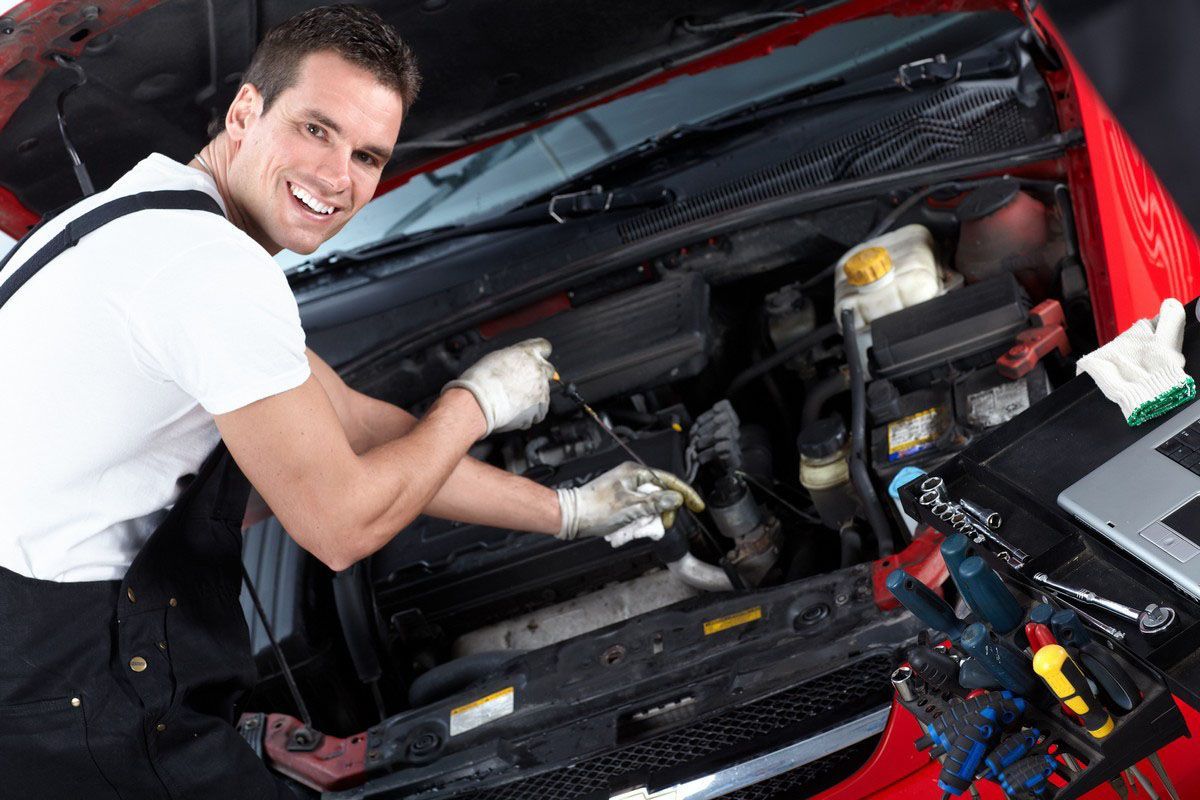
Regularly checking your transmission fluid levels is crucial for maintaining the health of the transmission system. The process is usually straightforward and can be performed by vehicle owners with basic automotive knowledge. Ensure that your vehicle is parked on a level surface and that the engine is adequately warmed up before checking the fluid level. Insert the dipstick and pull it out to check the fluid levels against the indicated marks. Maintaining appropriate fluid levels is essential to prevent overheating and ensure smooth gear operation.
Timely transmission fluid replacement is critical for preventing wear and tear on the transmission components. Over time, transmission fluid can degrade and lose its effectiveness due to exposure to heat and contaminants. Regular fluid changes remove any accumulated debris, thereby reducing friction and preventing damage. Not replacing the fluid on schedule can lead to overheating, sluggish performance, and eventual transmission failure. By prioritizing fluid replacement at the recommended intervals, you can preserve the operational efficiency of your transmission system.
Driving Habits to Extend Transmission Life
Aggressive driving habits, such as rapid acceleration and sudden braking, can place undue stress on your vehicle’s transmission. These behaviors result in abrupt changes in speed and force the transmission to adapt quickly, causing accelerated wear on internal components. Over time, aggressive driving can lead to overheating and increased risk of transmission failure. Moderating your driving habits by adopting a smoother, more consistent driving style can significantly reduce stress on the transmission. By minimizing harsh maneuvers, you can extend the lifespan of your transmission and increase vehicle safety.
Allowing your vehicle to warm up before driving off, especially in colder temperatures, is essential for optimal transmission performance. During warm-up, the fluids within the transmission reach their ideal operating temperature, allowing for natural shifting and a smoother ride. In colder conditions, immediate driving can strain the transmission as the fluids remain thick and less efficient in lubricating the components. A brief warm-up period is especially crucial for older vehicles, where transmissions might be more susceptible to temperature-related issues. Embracing this habit protects your transmission from damage and extends its functionality.
Overloading your vehicle with excess weight can place an immense burden on the transmission system. Exceeding the manufacturer's recommended load capacity forces the transmission to work harder, leading to increased heat and potential slippage. Continually operating your vehicle under these conditions can accelerate wear and lead to the deterioration of transmission parts. To maintain your transmission's health, it's crucial to adhere to the load limits outlined in your vehicle's specifications. By distributing and managing weight thoughtfully, you can prevent strain and extend the life of your transmission.
The Role of Transmission Cooling Systems
The cooling system in your vehicle plays a vital role in maintaining the transmission's operational efficiency. It functions by dissipating excess heat generated during operation, preventing overheating and subsequent damage. Components such as the radiator, hoses, and coolant are integral to keeping the system functioning. A malfunction in any part of the cooling system can lead to a significant rise in transmission temperature, ultimately risking failure. Regular inspection and maintenance are necessary to ensure that the cooling system supports optimal transmission performance.
Identifying the early warning signs of an overheating transmission is essential to mitigating damage. Symptoms such as a burning smell, slippage in gears, or warning lights on the dashboard should not be ignored. Imitating these signs can lead to internal transmission damage and potential breakdowns. Taking immediate action, including checking fluid levels and consulting a professional mechanic, is crucial when overheating issues arise. Timely intervention not only prevents costly repairs but also ensures the vehicle remains safe and functional.
Repairs Addressed Early On
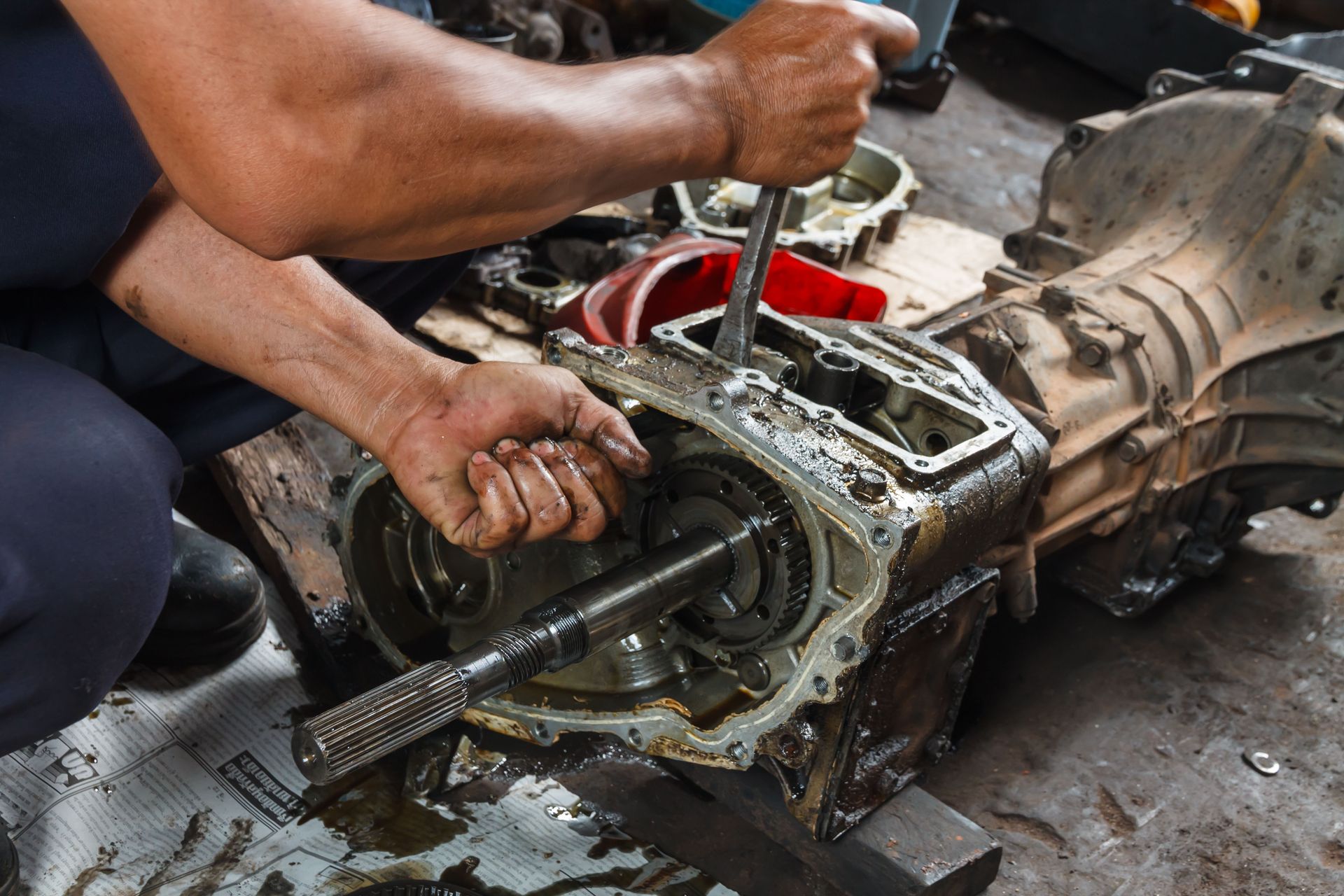
Transmission issues can manifest in various forms, each presenting distinct symptoms. Problems such as slipping gears, delayed engagement, and erratic shifts are frequently reported. Identifying these signs early is essential for minimizing damage and maintaining transmission health. Other symptoms, such as unusual noises and leaks, may also indicate underlying issues that require attention. Addressing these problems promptly with professional guidance can prevent further complications and costly repairs.
Determining when to seek professional assistance is crucial for safely addressing transmission problems. Mechanics who specialize in transmission repair have the tools and expertise to diagnose and address complex transmission issues accurately. Relying on their recommendations can prevent more significant damage and ensure your vehicle's transmission remains in top shape. Proactive assistance helps in maintaining your vehicle's reliability and efficiency over time.
By following these preventative tips from local transmission repair professionals, you can ensure the longevity and efficiency of your vehicle’s transmission. Regular maintenance, careful driving practices, and prompt attention to potential issues can significantly reduce the risks of costly transmission failures. Furthermore, keeping abreast of modern advancements in vehicle care and repair options empowers vehicle owners to make informed decisions.
With consistent care and professional guidance, you can prolong your transmission's lifespan and enhance your vehicle's overall performance. Embracing these strategies is a proactive investment in the longevity of your vehicle and the safety of your journeys. For expert
transmission repair and maintenance you can count on, contact Advantage Transmission today.