January 28, 2026
The transmission system is a vital component of your vehicle, and delaying its repair can lead to numerous headaches and expenses. Understanding why timely transmission repairs are essential can save you time, money, and stress. Let's explore what these repairs entail and the reasons to hire a professional.
The Role of the Transmission in Vehicle Performance
Transmission Functions
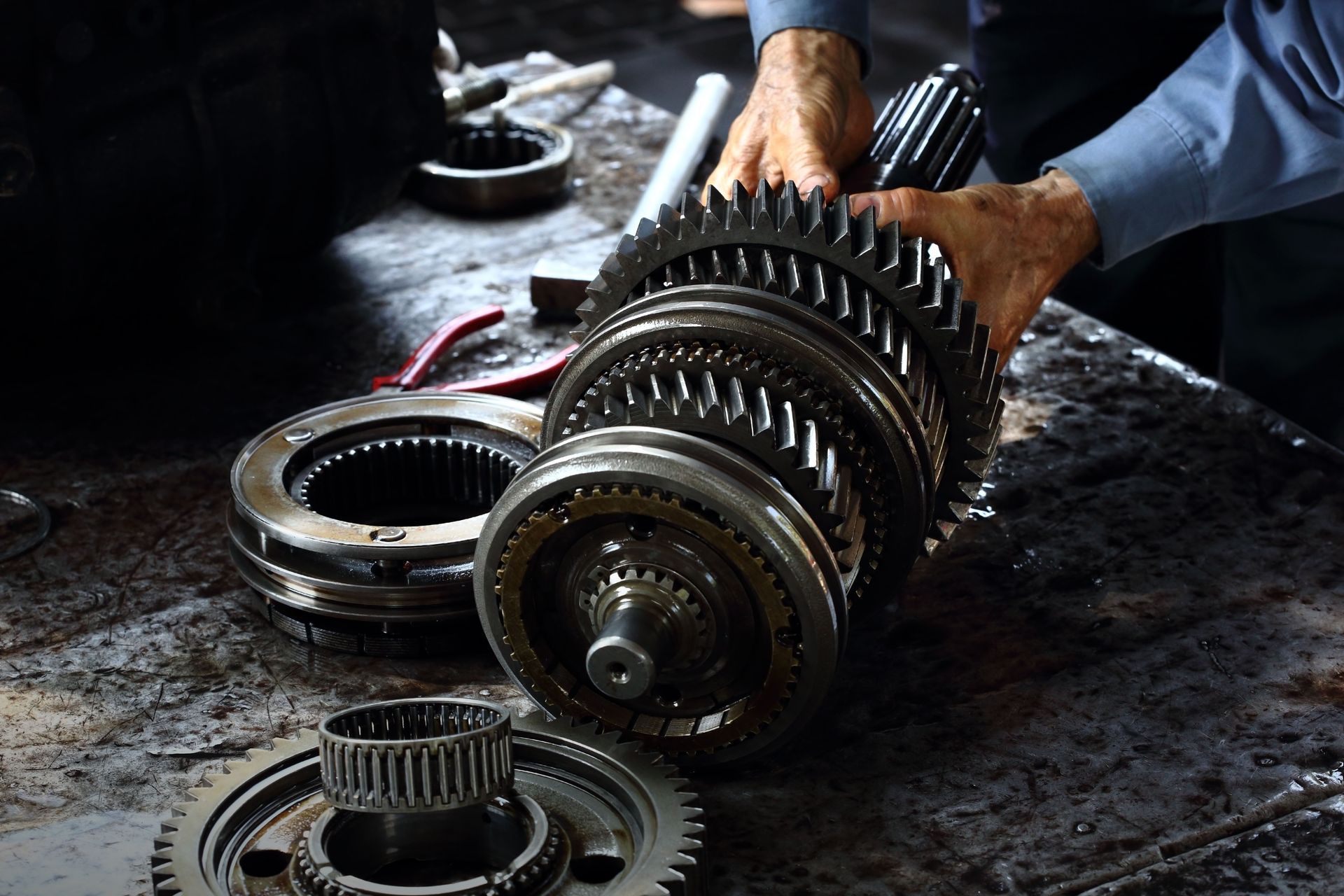
Transmissions are crucial for converting the power from the vehicle's engine into controlled motion. Essentially, a transmission allows a vehicle to adjust the power it deploys by changing gears. Automatic transmissions manage this themselves based on speed and demand, while manual transmissions require driver input. The integration of gears in a transmission system can significantly influence vehicle performance, making it a key component. A well-functioning transmission ensures that a vehicle can adapt smoothly to various driving conditions, enhancing overall utility.
Transmission and Fuel Efficiency
A properly functioning transmission is vital for optimizing a vehicle's fuel efficiency. When a transmission is struggling or malfunctioning, the engine may work harder than necessary, consuming more fuel. Regular maintenance and prompt repairs ensure that transmission components engage and disengage effectively, maintaining intended fuel consumption levels. Efficient gear shifts allow for balanced fuel usage, preventing excessive spending on gasoline. Addressing transmission issues promptly can thus play a role in cost savings and environmental responsibility.
Transmission's Impact on Driving Experience
The condition of a vehicle's transmission significantly impacts the driving experience. Shifts should be smooth and seamless, devoid of jerks or unexpected noise. Drivers and passengers alike will notice the difference between a well-maintained transmission and one that requires attention. A failing transmission can make rides bumpy, uncomfortable, and even unsafe. Hence, ensuring the transmission is swiftly repaired can enhance driving pleasure and safety.
Long-term Performance Implications
Transmission problems that are left unresolved can have long-term negative effects on a vehicle's performance. The wear and tear on transmission components can progressively worsen, leading to broader mechanical failures. Even minor transmission issues can gradually degrade other engine parts due to improper power distribution. According to FinanceBuzz, 64% of drivers are currently putting off some sort of vehicle maintenance, underlying the potential widespread impact of such neglect. It's imperative to address transmission issues early to avert years of compromised performance.
Transmission vs. Other Vehicle Systems
While vehicle components like the engine and brakes are crucial, the transmission is equally important. A failing transmission can diminish the effectiveness of even the most powerful engines. Unlike brakes, which primarily ensure stopping power, transmissions are integral to enabling a dynamic driving experience by regulating speed and power. These systems must work in harmony for safety and efficiency. Delaying transmission repairs disrupts this balance, impacting the entire vehicle's functionality.
The Financial Impacts of Delaying Repairs
Increased Repair Costs
Delaying transmission repairs often results in higher repair costs due to compounded issues. As minor problems remain unaddressed, they typically escalate into major, more expensive ones. Persistent issues can lead to the gradual degradation of the transmission and associated parts, raising the cost of repairs exponentially. Addressing initial signs can prevent hundreds or even thousands of dollars of additional expenses. Hence, prioritizing timely maintenance can be a financially prudent decision.
Decreased Resale Value
A vehicle's resale value can plummet if significant issues like a faulty transmission are not resolved. Prospective buyers are often wary of vehicles with unresolved mechanical issues, making them less attractive in the market. Properly maintained vehicles tend to have better trade-in or resale value, as they promise reliability. Ignoring necessary transmission repairs may compromise this advantage, costing the owner in the long run. Investing in maintenance ensures the vehicle's value remains intact.
Warranty Void and Insurance Issues
Failing to repair a transmission can lead to voided warranties and complicated insurance claims. Most vehicle warranties demand that owners maintain their vehicles according to outlined schedules. Ignoring repairs or maintenance may void warranties, even if they cover the transmission. Moreover, insurance claims related to transmission issues might face scrutiny if it's clear that the owner neglected necessary repairs. Proper maintenance ensures coverage remains intact, safeguarding the owner's investment.
Cost of a Transmission Replacement vs. Repair
Financially, addressing transmission issues early on is usually more cost-effective than replacing an entire system. Simple repairs are more budget-friendly than the costly process of a full transmission replacement. While a replacement may involve significant parts and labor costs, timely repairs often prevent such extensive measures. Comparing costs, it's evident that early repairs are preferable to complete failure replacements. By acting promptly, owners can manage automotive expenses more effectively.
Unforeseen Expenses
Preparing financially for unforeseen transmission repairs can mitigate potential financial burdens. Budgeting a small monthly amount for vehicle maintenance creates a safety net for unexpected repairs. Considering that 64% of drivers are putting off maintenance, being proactive can offer significant peace of mind. Exploring financing options or insurance plans covering such eventualities can also be beneficial. Preparing ahead helps manage costs without immediate financial strain.
Safety Concerns Associated With Transmission Problems
Transmission Failure Risks
Transmission failures present significant safety risks, often manifesting while driving. A complete transmission failure can suddenly leave the driver without proper control over speed and gear selection, endangering occupants. Before reaching complete failure, problematic transmissions diminish a vehicle's ability to respond swiftly and efficiently. Such issues create vulnerabilities, particularly when navigating traffic-heavy situations or hazardous conditions. Swift repairs are crucial to avoid these risks and ensure safe driving conditions.
Impacts on Vehicle Control and Handling
Issues within the transmission directly affect a vehicle's control and handling capabilities. Difficulty in shifting gears or unexpected gear slipping can disrupt driver confidence and vehicle responsiveness. An errant transmission may cause hesitation or unexpected surging, impacting how precisely the car maneuvers. A stable and responsive vehicle results from a well-functioning transmission, necessary for driving safely in all situations. Thus, ensuring consistent transmission performance is imperative for safe handling.
Case Studies of Transmission-Related Accidents
Several accidents have been linked to transmission malfunctions, underscoring the significance of timely repairs. Studies and reports detail cases where delayed transmission maintenance culminated in loss of control, leading to collisions. In some severe instances, failures during high-speed driving have had catastrophic consequences. Analyzing these unfortunate outcomes emphasizes the immediate need for addressing transmission concerns. Learning from such cases prompts preventive action, ensuring vehicle safety and minimizing accident risks.
Precautionary Measures
Adopting precautionary measures is essential to mitigate transmission-related safety concerns. Regular checks and service appointments ensure any emerging issues are promptly identified and resolved. Implementing diagnostic tools can detect early signs of transmission problems, allowing for quick corrective action. Drivers who maintain detailed service records can better understand their vehicle's health and address issues before they escalate. Proactive measures foster a safe driving environment.
Role of Regular Maintenance in Ensuring Safety
Consistent transmission maintenance plays a vital role in sustaining vehicle safety standards. Regular inspections, fluid changes, and component checks ensure the transmission functions reliably. This proactive approach diminishes the likelihood of unexpected failures that endanger occupants and others on the road. Through timely maintenance, vehicles are equipped to perform optimally, ensuring safety even under trying conditions. Committing to regular care reinforces overall vehicle integrity.
Delaying transmission repairs is not just a costly mistake but a dangerous one. Prioritizing timely transmission maintenance and repairs ensures safe, efficient, and environmentally friendly vehicle operation, ultimately protecting both your investment and yourself. Contact us at Advantage Transmission today to get started with our transmission and auto services.